


Curriculum Overview
The Western Australian early years curriculum, primarily based on the “Early Years Learning Framework” (EYLF), focuses on developing children’s sense of identity, connection to their world, wellbeing, and confidence as learners through play-based experiences across eight key learning areas: English, Mathematics, Science, Humanities and Social Sciences, The Arts, Languages, Health and Physical Education, and Technologies; with a strong emphasis on holistic development through exploration and inquiry within a supportive environment.
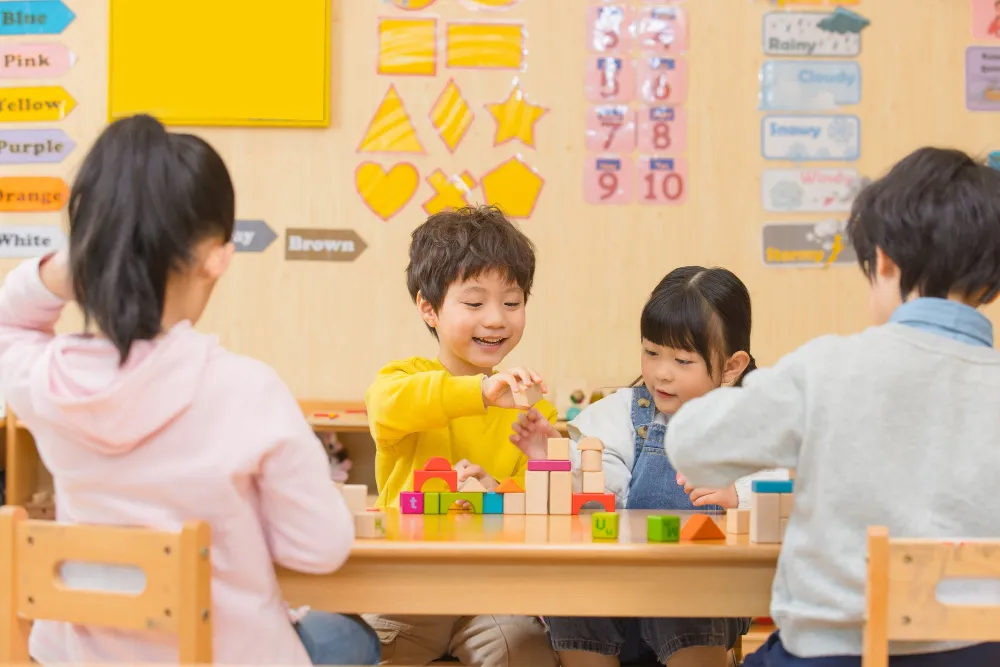
Based on the EYLF
The core framework for early years learning in Western Australia is the “Belonging, Being & Becoming” EYLF, which outlines learning outcomes for children from birth to five years old.
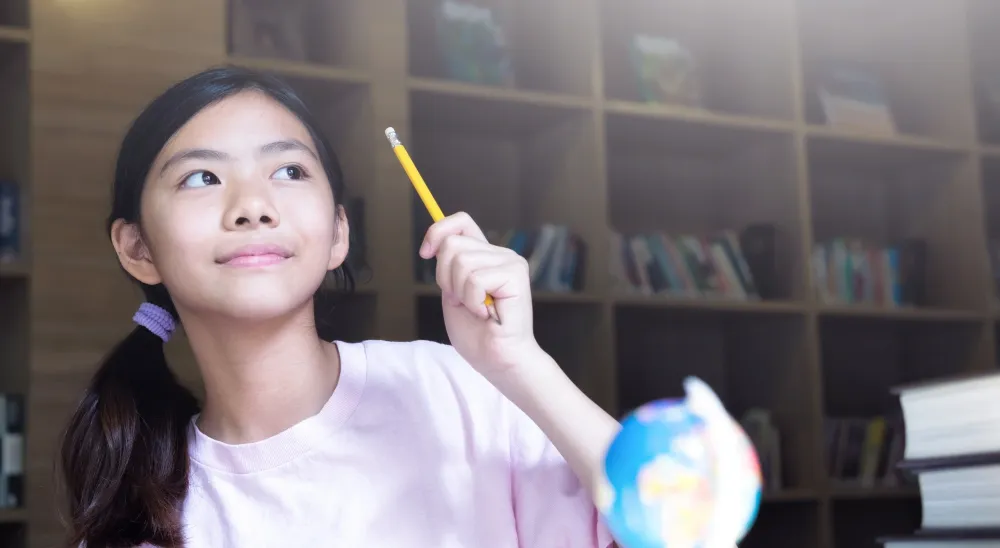
Play-based learning
Early childhood education in WA prioritizes play as a primary method of learning, allowing children to explore, experiment, and develop skills through open-ended activities.
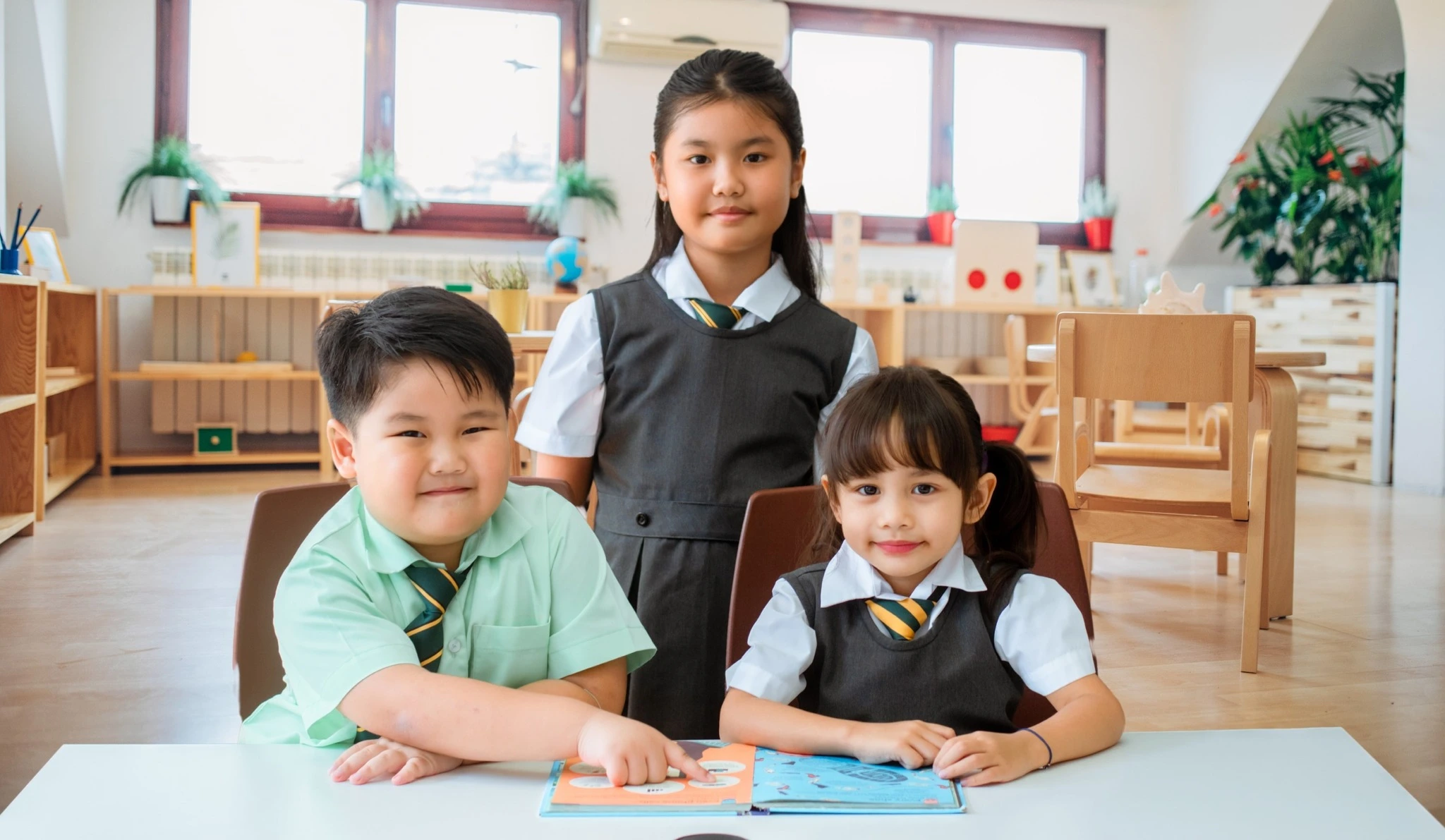
Focus on holistic development
The curriculum aims to nurture children’s physical, social, emotional, and cognitive development in an integrated manner.
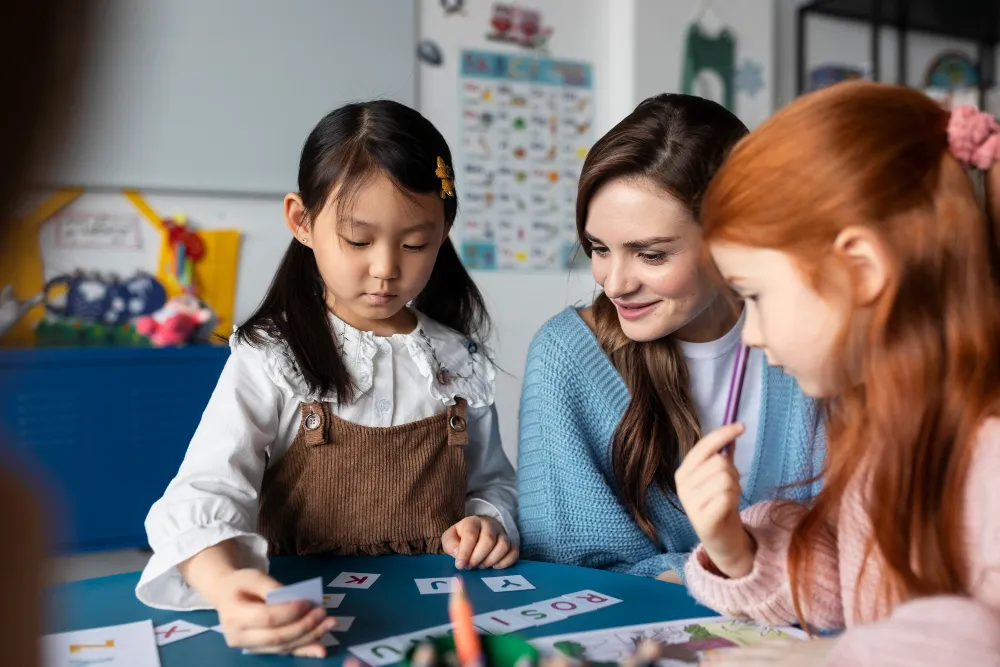
Developmentally appropriate practices
Teachers tailor learning experiences to match the individual needs and capabilities of each child, considering their age and developmental stage.
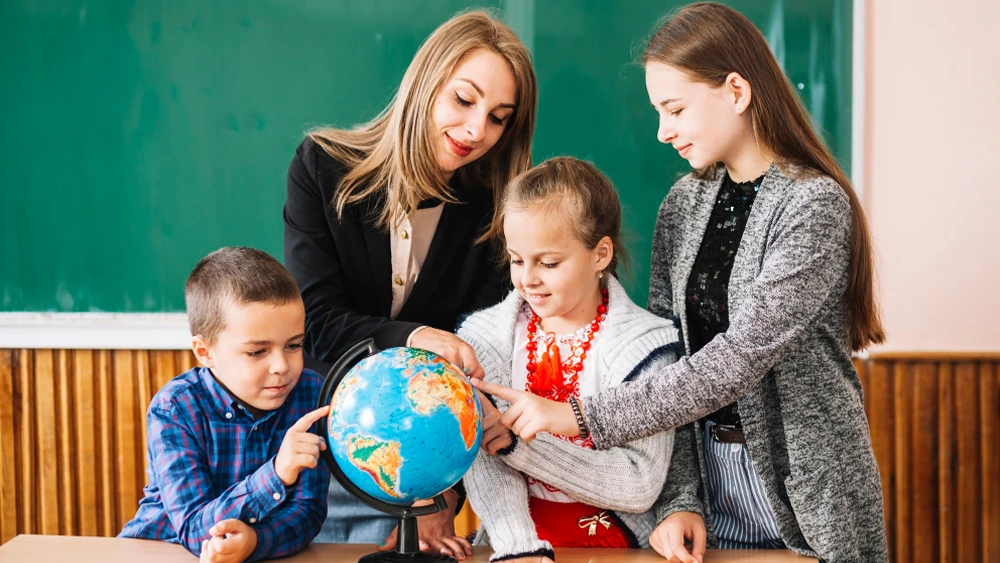
Some specific aspects of the early years curriculum include
Developing a sense of identity: Exploring personal experiences, family stories, and cultural backgrounds.
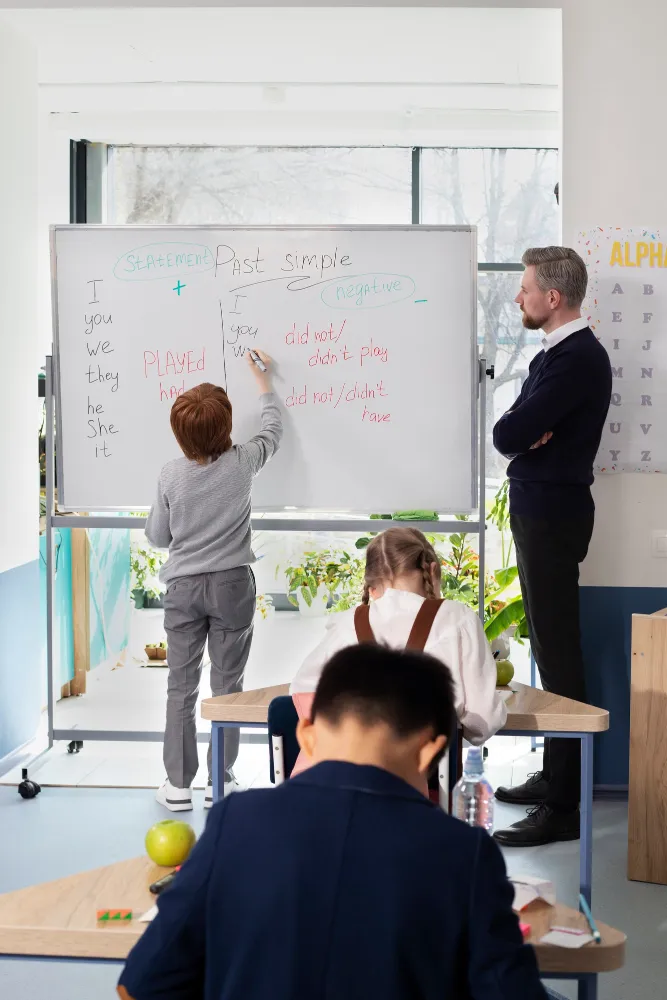
Building relationships
collaborative play and social skills development. Environmental awareness: Learning about the natural world and responsible practices for sustainability.
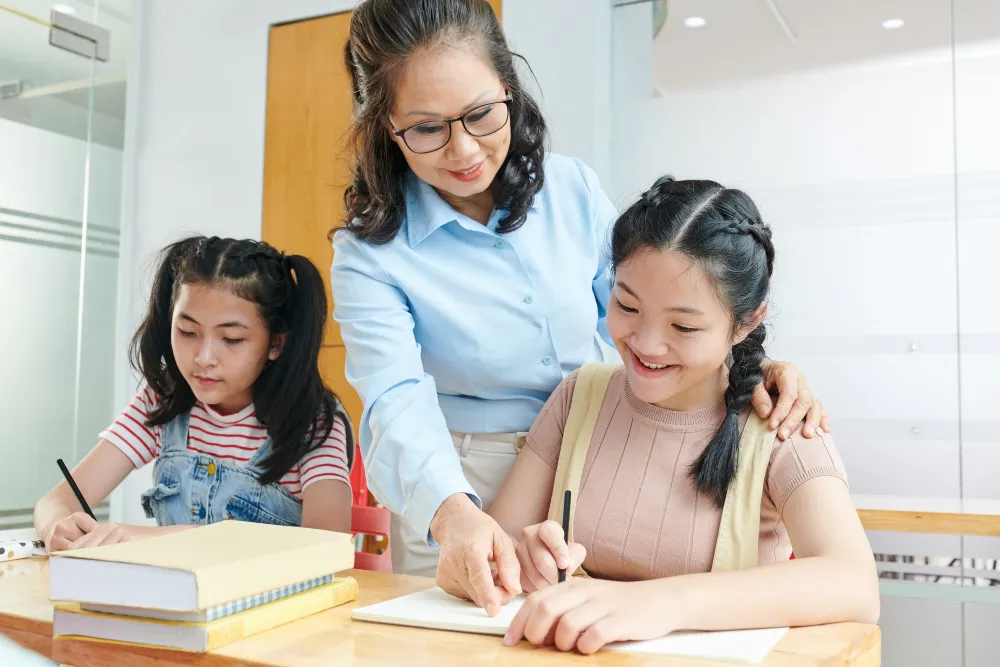
Literacy skills
Developing early literacy skills through exposure to stories, rhymes, and language experiences.
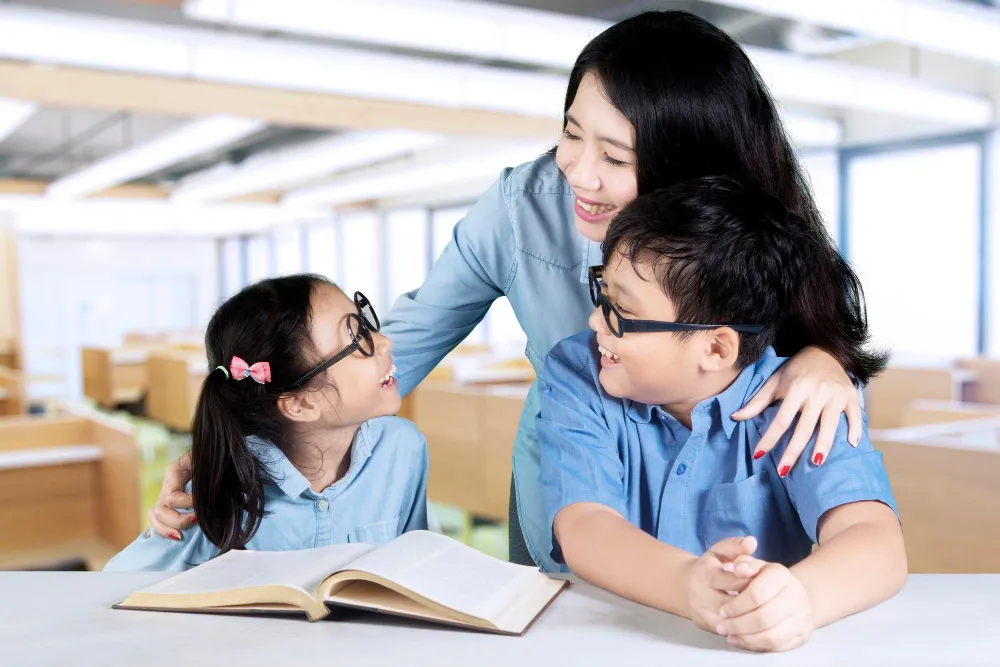
Numeracy skills
Exploring basic mathematical concepts through counting, patterning, and problem-solving.
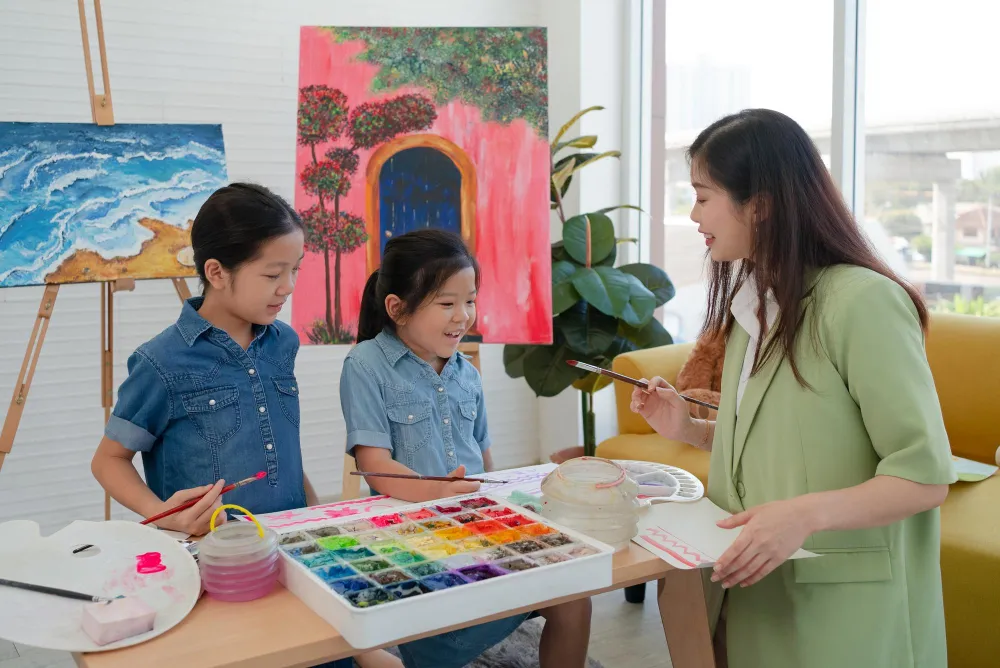
Creative expression: Engaging in artistic activities like music, art, and drama
Learning Environment
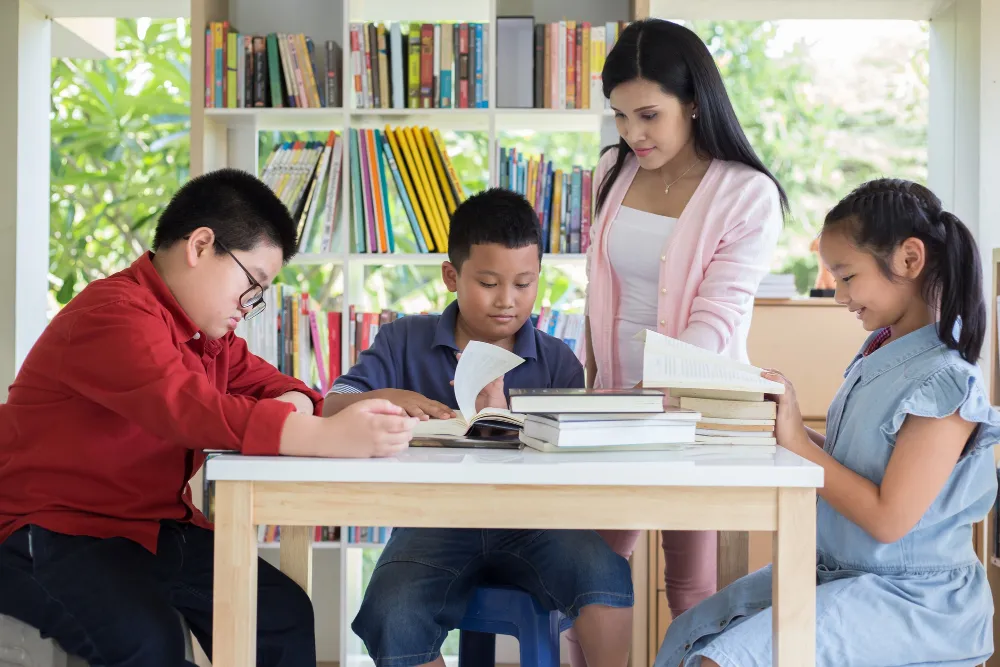
At WAIS, we believe that the early years of a child’s life are crucial for laying the foundation for lifelong learning and development. Our Early Years Learning Environment is thoughtfully designed to foster curiosity, creativity, and a love for learning in children aged 2 to 6.
Holistic Development
Our approach is centered around holistic development, recognizing that children learn best when their emotional, social, physical, and cognitive needs are met. We provide a nurturing atmosphere where children feel safe and valued, allowing them to explore, ask questions, and express their ideas freely.
Interactive Learning Spaces
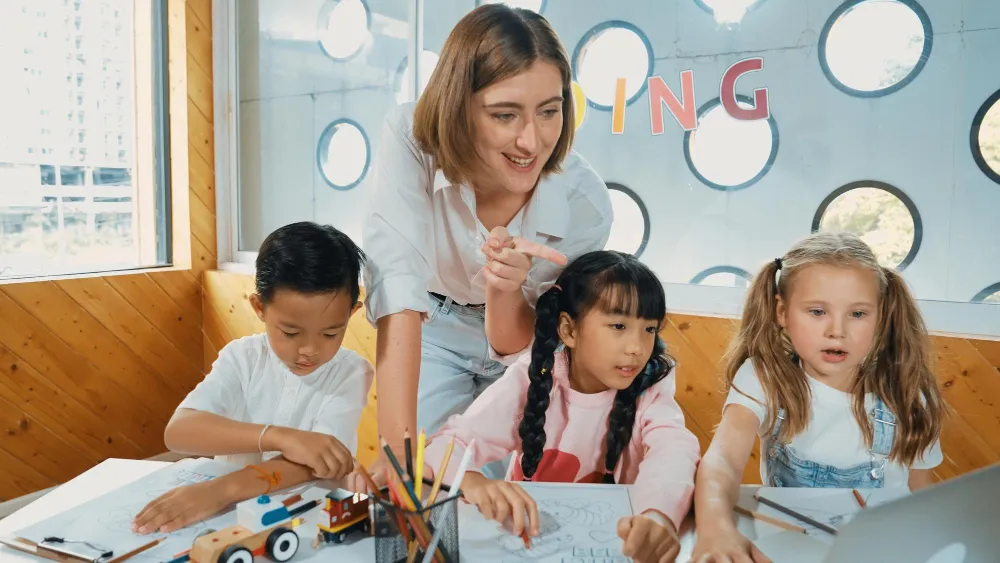
The learning spaces within our early years program are intentionally crafted to encourage exploration and play-based learning. Each area is equipped with a variety of resources and materials that stimulate imagination and creativity. From art and sensory play to literacy and numeracy corners, our environment is rich with opportunities for hands-on experiences that promote critical thinking and problem-solving skills.
Collaborative Learning
Collaboration plays a vital role in our early years program. Children engage in group activities that encourage teamwork, communication, and social skills. By working together on projects, they learn to respect diverse perspectives and develop empathy for their peers.
Connection to Nature
We understand the importance of connecting children with nature. Our outdoor learning spaces are designed to provide opportunities for exploration of the natural world. Through gardening, nature walks, and outdoor play, children develop a sense of responsibility for the environment and an appreciation for the beauty that surrounds them.
Family Engagement
We believe that strong partnerships with families enhance the learning experience. Our program encourages family involvement through regular communication, workshops, and events. Parents and caregivers are integral to our community, and their insights help us create a supportive and enriching environment for their children.
Continuous Learning
At WAIS, we are committed to continuous improvement and professional development for our educators. Our staff regularly participates in training and workshops to stay current with best practices in early childhood education. This dedication ensures that we provide the highest quality learning experiences for our children.
Child-Centered Approach
We adopt a child-centered approach, recognizing that each child is unique with their own interests, strengths, and learning styles. Our educators observe and interact with children to understand their individual needs, tailoring activities and experiences that support their growth and development. This personalized attention helps cultivate a strong sense of self and confidence in young learners.
Observational Assessments
At WAIS, we align our assessment methods with the Early Years Learning Framework (EYLF) and the Western Australian Curriculum, ensuring a comprehensive approach to monitoring and supporting each child’s development. Our assessment practices are designed to be purposeful, flexible, and child-centered.
Assessment Methods
We employ observational assessments as a primary method for gathering data on children’s learning and development. Educators systematically observe children during play and structured activities, focusing on interactions, problem-solving skills, and creativity. These observations are documented and analyzed to inform future planning and support individual learning needs.

Learning Stories
Learning Stories are a distinctive assessment tool used in our program. These narrative-based assessments capture significant moments in a child’s learning journey, highlighting their achievements, interests, and developmental progress. Learning Stories are shared with families, fostering collaboration and providing a holistic view of the child’s experiences.

Developmental Checklists
We utilize developmental checklists based on the Western Australian Curriculum to track progress across key learning areas, such as social-emotional, cognitive, physical, and language development. These checklists help educators identify areas of strength and opportunities for growth, ensuring that educational practices are responsive to each child’s needs.
Individual Learning Plans (ILPs)
For children requiring additional support or challenge, we create Individual Learning Plans (ILPs) in collaboration with families. ILPs outline specific goals tailored to each child’s interests and developmental needs, providing targeted strategies and resources to facilitate their learning.
Family Engagement
Family input is integral to our assessment process. We encourage regular communication and conduct conferences to discuss children’s progress and gather insights from parents about their child’s experiences at home. This partnership enriches our understanding and enhances the support provided to each child.

Reflective Practices
Our educators engage in reflective practices, regularly reviewing assessment data and observations to inform their teaching strategies. By reflecting on children’s learning and interactions, we adapt our curriculum and practices to better meet the diverse needs of our learners.
By integrating these assessment methods, we create a comprehensive understanding of each child’s development within the context of the Early Years Learning Framework and the Western Australian Curriculum. This ensures that we provide a nurturing and responsive learning environment where all children can thrive.
